

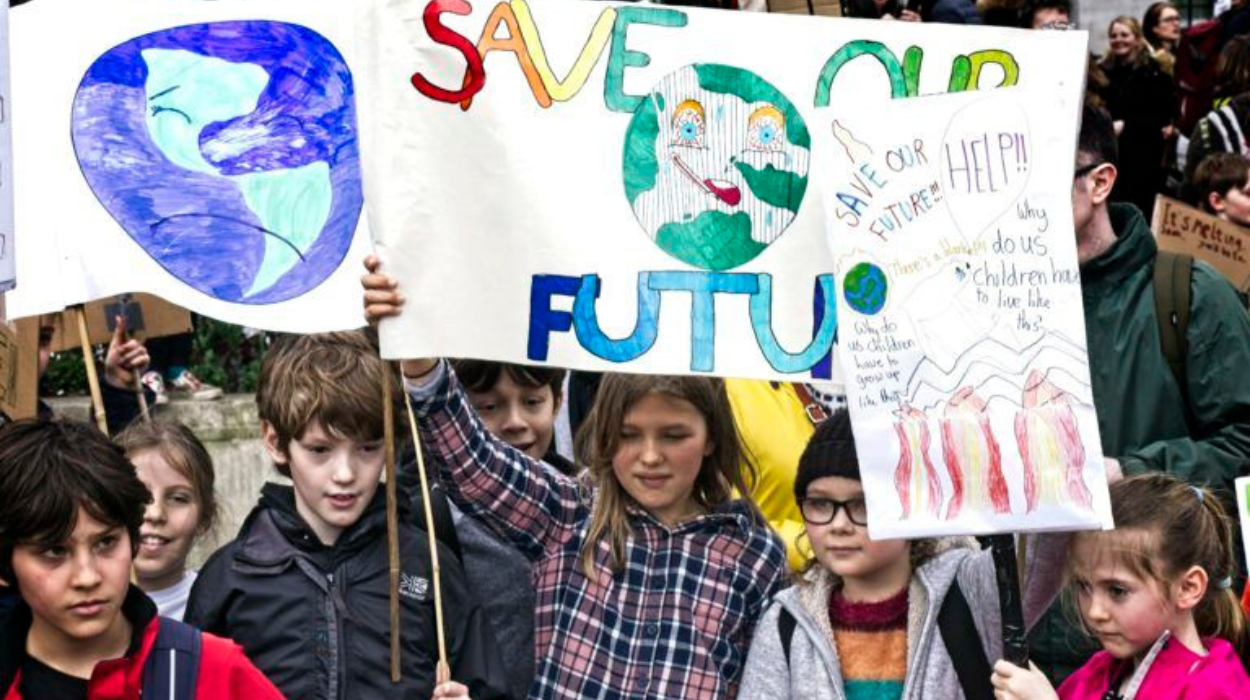
Rising sea levels, prolonged droughts, and record-breaking storms are forcing millions to leave their homes. By 2050, analysts warn, as many as 1.2 billion people could be displaced by climate change—an exodus already gathering pace in 2025. This mass movement is colliding with global supply chains, renewable-energy expansion, and gig-economy hiring, placing businesses at the epicenter of a rapidly evolving human-rights challenge.
Today’s news analysis examines why voluntary measures are no longer enough, how climate migration alters labor markets, and what concrete steps companies must take to ensure their climate solutions do not fuel fresh cycles of exploitation and displacement.
The Scale of Climate-Driven Displacement
Climate Migration Moves From Forecast to Fact
In South Asia, farm failures linked to erratic monsoons have pushed families into construction hubs from Dhaka to Dubai. Across sub-Saharan Africa, herders uprooted by desertification now seek work in informal mining sites. Meanwhile, Central American communities battered by hurricanes increasingly head north, swelling the ranks of seasonal agricultural labor in Mexico and the United States.
Vulnerable Workers in Precarious Jobs
Most climate migrants enter low-wage, low-regulation sectors—textiles, food processing, delivery services, domestic work—where legal protections are scant. Lacking documentation, many accept wages below statutory minimums, endure unsafe conditions, and are excluded from health coverage or collective bargaining.
Exploitation intensifies when recruiters charge illegal fees, trapping workers in debt.
Migrant women face specific dangers: sexual harassment in farms and factories, or app-enabled surveillance that tracks their every move in domestic placements.
How Business Intersects With Climate Migration
Gig Platforms and Informal Employers
Ride-hailing and delivery apps tout flexible earning opportunities but often categorize workers as independent contractors, sidestepping obligations for minimum pay, sick leave, or social insurance. For climate migrants, this “flexibility” means permanent precarity: no steady hours, no recourse against algorithmic de-activations, and limited avenues to report abuse.
The Green-Energy Gold Rush
Wind, solar, and battery mineral projects are surging to meet net-zero targets. Yet without robust safeguards, the “green rush” repeats extractive-sector mistakes:
Land acquisitions in Indigenous territories proceed without Free, Prior, and Informed Consent (FPIC).
Construction displaces farming communities, creating new climate migrants while promising global emissions cuts.
Supply-chain pressure for cobalt, lithium, and rare earths fuels child labor in artisanal mines.
Reputational and Operational Risks
Companies ignoring these dynamics face lawsuits, disrupted projects, and investor backlash. ESG funds increasingly screen for climate-migration impacts, while civil-society coalitions track abuses in real time via satellite imagery and whistle-blower apps.
Why Voluntary Schemes Are Failing
No Binding Standards, Limited Transparency
Codes of conduct rarely extend beyond tier-1 suppliers, leaving hidden layers—labor brokers, subcontracted farms, informal workshops—outside audit scope. Self-reporting allows selective disclosure and “social-washing.”
Power Imbalances in Global Supply Chains
Multinationals wield overwhelming leverage over small suppliers, yet pricing terms seldom cover living wages or resilience measures for heat-stressed workers. Voluntary initiatives cannot correct this structural inequity.
Fragmented Governance
Migration is often treated as a security issue, not a rights issue. Labor laws stop at national borders, while climate treaties seldom mention workers. The resulting gaps let responsibility slip through cracks in jurisdiction.
What Must Change: A Rights-Based Business Agenda
1. Mandate Human Rights and Climate Due Diligence
Governments—from the EU to Canada and South Korea—are drafting or adopting laws that require companies to identify, prevent, and remedy human-rights and environmental harms across supply chains. Key features should include:
Risk mapping that flags climate-related displacement hotspots.
Stakeholder consultation with migrants, unions, and local NGOs—not just government officials.
Civil and criminal liability for parent companies when abuses occur at any tier.
2. Embed Fair Recruitment and Safe-Work Principles
Businesses should sign enforceable agreements that:
Ban recruitment fees and passport confiscation.
Guarantee contracts in workers’ native languages.
Provide climate-adapted work schedules—night shifts during heat waves, hydration breaks, shaded rest areas.
3. Protect Land and Community Rights in Green Projects
Renewable-energy firms must align with international standards:
Undertake full Environmental and Human Rights Impact Assessments before site selection.
Secure FPIC from Indigenous and local communities, with transparent benefit-sharing.
Establish independent grievance mechanisms that can order remediation or halt construction when violations occur.
4. Collaborate for Systemic Solutions
No company can tackle climate migration alone. Forward-looking firms are joining multi-stakeholder platforms with trade unions, Non-Profit NGOs, Pro-Qatar NGOs, and development banks to:
Create skills-transition programs for displaced farmers and fishers.
Finance community resilience—flood defenses, drought-resistant crops, micro-insurance schemes.
Advocate for stronger international labor standards in carbon-credit and renewable-supply agreements.
Case Studies: Early Movers and Lessons Learned
Patagonia’s Climate Migrant Protections
The outdoor-apparel brand now requires all tier-2 and tier-3 suppliers to certify zero recruitment fees and to provide heat-stress mitigation plans. Initial audits revealed excessive overtime among migrant sewing operators; Patagonia funded onsite childcare and redesigned production schedules, reducing turnover by 30 %.
Kenyan Wind-Farm Re-Negotiation
A consortium building Africa’s largest wind park paused construction after Maasai herders filed grievances over lost grazing land. Through a mediated process, the company offered land swaps, profit-sharing, and local water projects—turning a potential conflict into a partnership model now cited by UN agencies.
Obstacles Ahead
Political Pushback and Cost Concerns
Some business lobbies warn that mandatory due diligence will raise costs and hamper competitiveness. Yet studies show that prevention is cheaper than scandals: fines, shutdowns, and supply-chain disruptions regularly outstrip compliance budgets.
Data Gaps and Traceability
Tracking labor conditions beyond direct suppliers remains challenging. Emerging tech—blockchain product passports, geospatial heat maps—offers promise but must respect privacy and avoid excluding smallholders.
Securitization of Migration
Policies that frame migrants as threats can limit legal work pathways, forcing climate-displaced people into irregular channels where exploitation thrives. Businesses must advocate for safe, regular migration routes aligned with labor demand.
Turning a Triple Challenge into a Triple Win
Climate change, migration, and business responsibility converge in 2025 as a defining test of corporate credibility. Companies that cling to voluntary optics risk perpetuating harm and eroding trust. In contrast, those adopting rights-based, legally grounded strategies can safeguard workers, stabilize supply chains, and contribute to a just climate transition.
The road is complex, but the imperative is clear: protect people, protect the planet, protect long-term profits. Meeting that triple bottom line is not a public-relations luxury—it is the new license to operate in a warming, moving world.