

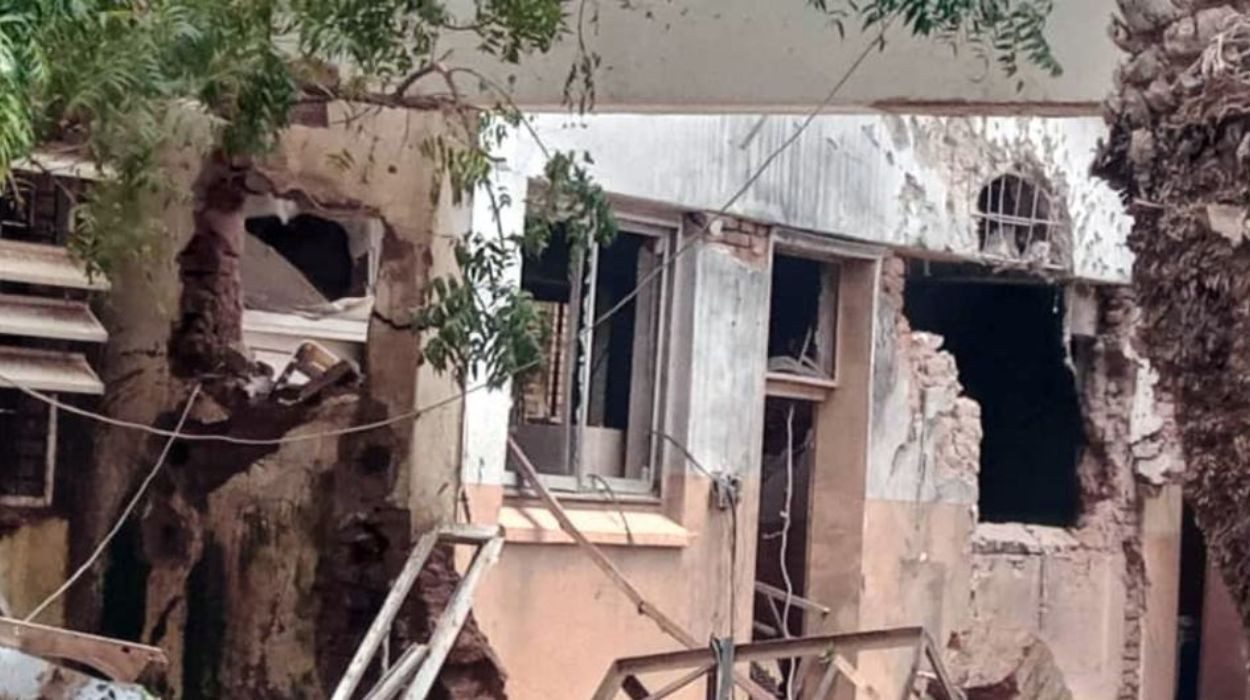
The recent attack by Sudan's Rapid Support Forces (RSF) on a hospital in Darfur has starkly symbolized the tragic intersection of armed conflict and humanitarian disaster in the war-torn country. This incident not only underscores the direct violence inflicted on civilians but also intensifies the already devastating public health emergency marked by surging outbreaks of cholera and dengue fever. The assault on the El-Fasher Hospital, one of the few operating medical facilities in the region, offers a grim lens into the broader collapse of Sudan’s healthcare infrastructure and the increasing dangers faced by medical staff and civilians alike.
The El-Fasher Hospital Attack: Details and Immediate Impact
In early October 2025, the RSF launched a shelling attack on the El-Fasher Hospital in North Darfur, killing at least 12 people and injuring 17 more, including medical professionals.
"This was a full-fledged war crime,"
declared the Sudan Doctors Network, condemning the targeted shelling that struck a maternity ward and other critical hospital areas. Prior to this, the hospital had already endured an attack within 24 hours that resulted in 8 deaths, further crippling the facility. According to reports, the RSF has maintained a blockade on El-Fasher city since May 2024, severely limiting access to medical supplies and fuel, which compounds the dire health conditions.
This attack was not an isolated event but part of a systematic pattern of violence against healthcare services in Darfur. The impact has been catastrophic, as facilities that once served thousands are either destroyed or non-operational due to ongoing hostilities. The targeting of a hospital—a sanctuary for the ill and vulnerable—has sent shockwaves through the local and international communities, underscoring the ruthless disregard for human life amid the conflict.
Sudan’s Healthcare System on the Brink of Collapse
The assault on El-Fasher Hospital comes at a time when Sudan is grappling with a profound healthcare crisis. The country is battling simultaneous outbreaks of cholera and dengue fever, diseases that are spreading rapidly through conflict-stricken areas where access to clean water, sanitation, and medical care is limited.
Over 28,000 cholera cases and 836 deaths have been reported in 11 out of Sudan’s states between late July and late October 2025. Kassala state remains the epicenter, bearing the brunt of the outbreak with half of the cases. In parallel, more than 4,500 cases of dengue fever with 12 fatalities have been reported, again with high concentrations in the same state. The confluence of these epidemics has overwhelmed the already fragile health system, with about 80% of health institutions nationwide nonfunctional.
As MSF (Doctors Without Borders) reported, the Saudi Hospital in El-Fasher is one of the few remaining surgical facilities able to operate, further highlighting the scarcity of medical care. Attacks such as the RSF shelling devastate any efforts to contain these diseases and save lives, perpetuating a vicious cycle of suffering and death.
Widespread Violence and Its Toll
The ongoing power struggle between Sudanese army forces and the paramilitary RSF since April 2023 has resulted in widespread death and displacement. Estimates indicate over 20,000 deaths, with some academic sources suggesting the toll could be as high as 130,000, and over 15 million people displaced. This prolonged conflict has decimated infrastructure and disrupted essential services throughout Darfur and beyond.
More specifically, 2025 has witnessed a dramatic rise in attacks targeting healthcare providers and facilities. According to Save the Children, nearly 1,000 people were killed in such incidents in the first half of the year alone, a sharp increase compared to previous years. The escalation in violence against medical facilities correlates with worsening cholera outbreaks and increased mortality rates, illustrating the humanitarian cost of targeting healthcare amidst conflict.
International and Local Reactions
Humanitarian organizations and international bodies have condemned the RSF attack unequivocally. The United Nations Secretary-General issued a stark condemnation of assaults on health facilities.
"Healthcare facilities are protected under international law, and attacks them may constitute war crimes,"
he emphasized, calling for an immediate ceasefire and the safeguarding of patients and medical workers. This statement reiterates the legal and moral imperatives that belligerents must uphold amid conflict.
Adding to this, the United Nations Resident and Humanitarian Coordinator for Sudan described the incident as "a shocking violation and affront to humanity," urging adherence to international humanitarian laws and pressing for accountability for those responsible for such egregious acts. The humanitarian coordinator highlighted the broader crisis, linking the violence directly to deteriorating healthcare access and the spread of deadly diseases.
Medical professionals on the ground fear that continued attacks will deepen the health emergency, forcing closures of even the few operational hospitals. The Sudan Doctors Network’s denunciation of RSF’s actions as a war crime underscores the gravity of the situation and the urgent need to protect medical infrastructure.
Donor nations and humanitarian agencies have voiced solidarity with Sudan’s civilian population. The European Union and a coalition of 30 donor countries condemned attacks on civilians and humanitarian workers in a joint statement issued mid-2025, emphasizing the critical need to uphold civilian protections and facilitate humanitarian access.
The Human Cost of Disease and War
The unfolding health emergencies in Sudan cannot be detached from the brutal conflict consuming the nation. The cholera and dengue fever outbreaks have taken a heavy toll, primarily among displaced populations living in overcrowded and unsanitary conditions. The disruption of water supply systems and sanitation infrastructure due to fighting further amplifies the risk of infectious disease spread.
This intersection of conflict and disease presents an overwhelming public health challenge. Cholera is known for its rapid transmission in conditions lacking clean water, and dengue fever, transmitted by mosquitoes thriving in stagnant water, flourishes in such environments exacerbated by war. The deaths and suffering from these outbreaks are preventable in peace or stable contexts but become fatal in the chaos of war.
The hospital attack, therefore, is not only a tragic act of violence but a catalyst for further public health deterioration. Without functional healthcare facilities, disease surveillance, and emergency response, outbreaks spiral unchecked, amplifying the vulnerability of affected communities.
What Lies Ahead: Challenges and Imperatives
The Sudanese conflict and public health crisis are deeply intertwined. With the RSF and Sudanese army locked in a violent deadlock and no negotiated ceasefire in sight, the prospects for restoring health services and controlling disease outbreaks appear bleak in the short term.
The RSF attack on the El-Fasher Hospital in Darfur is a devastating event that encapsulates a dual tragedy: violent conflict inflicting immediate loss of life and compounding an already deadly public health emergency. As cholera and dengue fever spread unchecked through war-ravaged regions, the deliberate targeting and blockade of critical health facilities epitomize a blatant disregard for human life and international law. The global community’s response, the protection of civilians, and urgent humanitarian relief are vital to ending this relentless suffering.